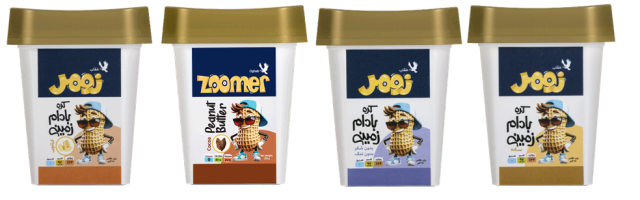
Familiarity with the basic method of storing peanut butter has a significant impact on maintaining its quality and original taste. In addition to these methods, the quality of the peanuts used in this butter and the method of production of the product will also have an impact on its shelf life. Peanut butter has a special place in the food chain due to its abundant nutrients and minerals. Given the structure of this food, storing it requires more awareness. For this reason, we intend to further familiarize you with the correct method of storing and long-lasting peanut butter.
Why Knowing the Right Storage Method Is Important
Many people wonder if peanut butter goes bad? The answer is yes. Peanut butter can lose its quality over time and change its taste, aroma, or color, especially if stored under improper conditions. This is where you will realize the need to know how to store peanut butter. Since a large part of its composition is made up of unsaturated fats, when exposed to oxygen, light, and high heat, these fats may oxidize and create an oily and bitter flavor and aroma.
Proper Storage Methods for Zoomer Peanut Butter
To maintain the quality, taste, and shelf life of peanut butter, it is important to follow a few simple but essential tips:
- Appropriate temperature and dark environment:
The best storage conditions for peanut butter are a cool, dark environment, away from direct sunlight and excessive heat. If the butter does not have a stabilizer (natural type), it is best to store it in the refrigerator after opening to prevent oxidation and spoilage of the oil. - Note on consumption time:
If you do not store the butter in the refrigerator, try to use it within 2 to 3 months of opening. If opening it too late, its quality will decrease. - Appropriate container and away from oxygen:
Air and moisture can cause fats to oxidize and butter to dry out. So keep the lid tightly closed; if possible, use airtight containers. - Avoid heat and frequent temperature changes:
Rapid changes in temperature (heat, cold) can accelerate the spoilage process. - Natural oil separation: Don’t worry if the oil separates — just give it a good stir before using to combine. Oil separation itself is not a sign of spoilage, but is a normal occurrence in unstabilized butters.
How to Use Peanut Butter to Increase Shelf Life
1. Use hygienically
Always use a clean, dry spoon or knife to consume peanut butter. Moisture, food particles, or saliva entering the container can lead to the activation of bacteria and mold.
Instead of eating directly from the jar, it is better to pour the required amount into a separate container and consume it later so that the original container is less open and exposed to contamination. This helps to increase the shelf life of the butter.
2. Maintain the softness of the butter at the bottom of the container
In many cases, the remaining butter at the bottom of the container dries, cracks, or hardens after a while, making it difficult to consume. To prevent this situation, you can occasionally gently turn the container upside down or shake it so that the oil released on the surface of the container reaches the bottom and the butter at the bottom of the container remains moist. This method is usually recommended for natural butters without stabilizers to prevent the bottom of the container from drying out.
3. Buy by the amount you use
To keep your butter fresh and its quality from deteriorating, pay attention to the amount you use when buying. That is, choose a container that you can use in a short period of time. The shorter the storage period, the less likely it is to spoil and oxidize.
Factors Affecting Peanut Butter Shelf Life
1. Quality of raw materials
If fresh and healthy peanuts are used in production, the possibility of oxidation and spoilage of the materials is less and the shelf life of the product is increased.
2. Production process and quality management
Methods such as controlled roasting, precise grinding, removal of excess moisture and prevention of contact of the product with excess oxygen during packaging play a key role in increasing the shelf life.
3. Storage conditions
Low temperature (but not refrigerated if the product is designed to be damaged in the refrigerator), dry environment, away from direct sunlight and protection from temperature and humidity fluctuations, help maintain quality and prevent spoilage.
4. Product type: industrial or natural / stabilized or without additives
Industrial butters that include stabilizers are usually more stable. Products that are produced in a natural way may be more sensitive to storage conditions.
Recommended Storage Conditions and Duration
If your product is stored in ideal conditions (dry, cool cabinet, away from direct light and air) and has not yet been opened, a shelf life of ten months is acceptable. Once opened, to maintain quality, it is better to consume the product as soon as possible or, if not consumed immediately, to use additional protection methods (such as storing in a cooler place).
Experience peanut butter with a special and different flavor with Zoomer.
The Halva Oqab production group has made peanut butter consumption a new and memorable experience for you. Zoomer, along with its diverse flavors, high quality, and long shelf life, will be a reliable companion for travel, work, university, or home. Zoomer peanut butter is the result of years of experience of this renowned brand in the field of producing vegetable butters. Zoomer is available in different versions to cover different tastes: from sugar-free and salt-free butter to plain, crunchy, and cocoa butter.
Conclusion
The natural taste and true freshness of peanut butter is the desire of every peanut butter lover, and this is directly related to the method of storing the product. Zoomer Peanut Butter, with its diverse versions and appropriate design, has tried to provide this delicious experience to consumers. By following the storage tips, this butter can remain tasty and fresh for a long time and meet your need for a nutritious snack.