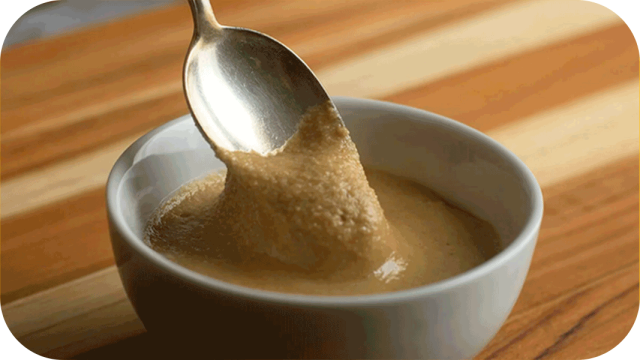
If you care about healthy nutrition and getting natural daily energy, you’ve probably heard of sesame paste and tahini. These two delicious products are made from sesame seeds and are rich in protein, nutrients, and beneficial vitamins. But have you ever wondered what the difference between sesame paste and tahini is? Although both are made from sesame, they differ in taste, texture, and even health benefits. If you want to learn more about the distinctions between tahini and sesame paste, stay with us until the end of this article.
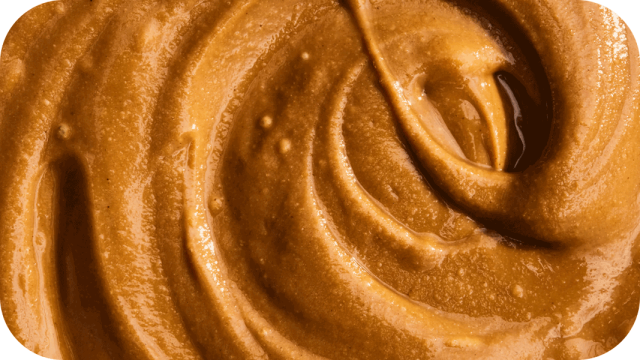
What is Sesame Paste?
Sesame paste is one of the most delicious sesame-based foods, made by grinding sesame seeds into a fine powder. To achieve its creamy texture, the paste is usually combined with a few natural additives. The flavor of sesame paste depends on these additives, which can include cardamom, cinnamon, biscuits, and more.
Features of Sesame Paste:
-
Available in various delicious flavors
-
Creamy texture, perfect as a snack
-
A great source of energy thanks to sesame
-
Helps strengthen bones and maintain dental health
-
Suitable for teenagers to combat daily fatigue
-
Provides protein and iron, ideal for athletes
The Difference Between Sesame Paste and Tahini: Which One Should You Choose?
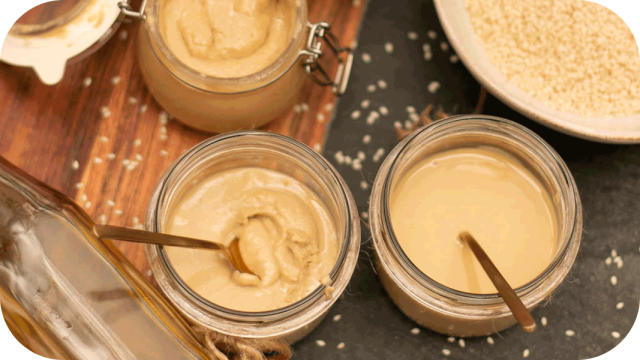
If you want to understand the difference between tahini and sesame paste, here’s a simple overview: Tahini is made without any additives and has a naturally bitter taste, while sesame paste contains flavoring agents and additives to create a creamy texture. But that’s not all—let’s take a closer look at how they differ.
How Sesame Paste and Tahini Are Made
The main difference often overlooked is in the production process. Tahini is made by roasting sesame seeds, which slightly changes their color and aroma. Then, the roasted seeds are ground to release their oil and produce a smooth, rich paste.
Sesame paste, on the other hand, follows the same process as tahini. The tahini produced serves as a base ingredient, which is then blended with specific additives to achieve a creamy texture and enhanced flavor.
Nutritional Content
From a nutritional standpoint, sesame paste and tahini are very similar, as both are made from sesame seeds and contain the same valuable nutrients. However, tahini is usually made with a higher proportion of sesame seeds, making it closer to the raw benefits of the seeds. Both are rich in omega-6 fatty acids, calcium, protein, vitamin E, and B vitamins. Generally, tahini has slightly higher calories than sesame paste.
Taste Differences
The flavor difference is striking once you try both. Tahini has a bitter, earthy taste because no additives are used to sweeten or flavor it. Many people love this authentic taste. Sesame paste, however, has a milder and sweeter flavor due to the added ingredients, making it more appealing to those who prefer a softer, tastier experience.
Texture Differences
Tahini has a runny, oily texture, while sesame paste is creamy and spreadable, perfect for toast or as a smooth addition to breakfast. The creamy texture of sesame paste enhances the eating experience, as it melts in your mouth and provides a satisfying sensation.
Usage and Timing
Just like every flower has its own fragrance, tahini and sesame paste have different uses. Tahini is often used in traditional dishes such as hummus, tahini rice, and even Iranian dishes like Ash-e-Tahini. Sesame paste, however, is more modern and versatile, commonly eaten on its own as a snack or incorporated into desserts like cheesecakes and other treats.
In summary, while both products are sesame-based and nutritious, tahini is more traditional and bitter, whereas sesame paste is creamy, flavored, and better suited for snacking and dessert preparation.