
When you come home from the gym and are looking for a protein-packed snack, what could be better than a spoonful of delicious peanut butter? But have you ever wondered how much protein is in peanut butter? This butter is derived from peanuts, one of the most nutritious nuts. It tastes great, and about 35 percent of the total weight of the butter is protein. So, you can count on this butter as a reliable source of plant-based protein.
Does peanut butter contain protein?
When you eat 2 tablespoons of peanut butter, you’ll be providing your body with about 7 grams of protein. Let’s compare this amount of protein to a chicken breast. A 3-ounce chicken breast has 26 grams of protein; but an 8-ounce tablespoon of peanut butter can provide you with about 7 grams of protein.
The protein content of peanut butter may seem lower than that of animal sources, but peanut butter is incredibly versatile. You can easily add it to your meals or make different combinations with it. This will increase your total protein intake several times.
How much protein is in one tablespoon of peanut butter?
One tablespoon of peanut butter weighs approximately 16 grams. Consuming it provides about 4 grams of the protein your body needs. The protein content of peanut butter does not vary much between brands; only the flavor differs. However, some brands offer peanut butter with added protein, allowing you to get more energy per serving. It is even possible to find high-quality peanut butter with up to 7 grams of protein per tablespoon.
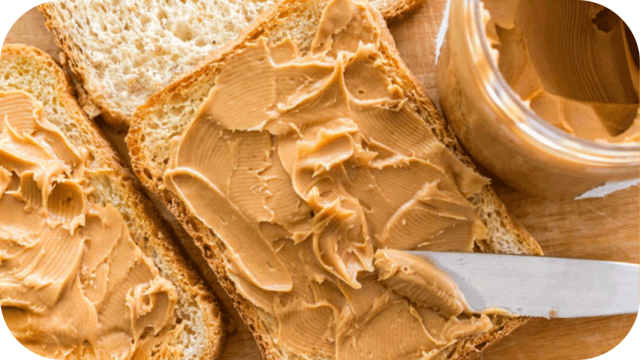
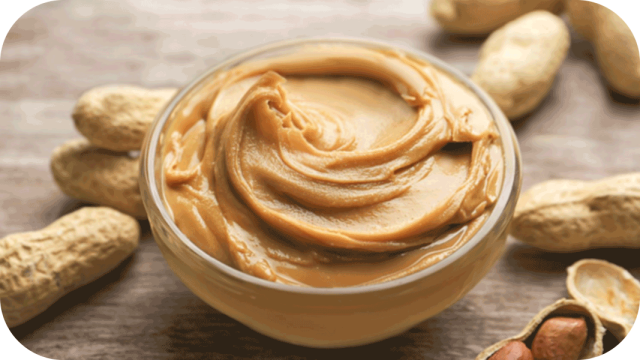
Increasing the Protein Content of Peanut Butter with Simple Tricks
What do you need to turn peanut butter into a complete protein? The answer is simple! You need to look for other food sources that contain protein. There are many delicious foods that you can add to peanut butter to round out its flavor. Peanut butter lacks the essential amino acid methionine; however, it does contain a lot of the amino acid lysine. You can use the following foods that contain the amino acid methionine to combine with peanut butter to get a complete protein blend:
• Oats
• Grains or grains like quinoa
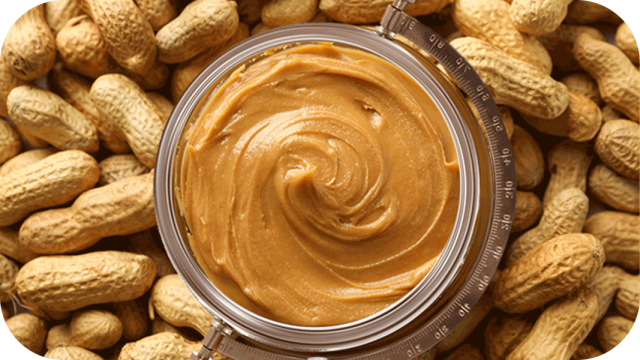
How to Use the Protein in Peanut Butter
Peanut butter protein can be easily added to many different foods. But if you don’t know where to start, try a delicious smoothie with banana, oats, and Zoomer Low Sodium Peanut Butter. To do this, simply combine the following ingredients in a glass and enjoy the unique taste of this smoothie.
- 1/2 cup peanut butter
- 1/2 cup rolled oats
- 112 grams Greek yogurt
- 1 frozen banana
- A pinch of cinnamon
- 1 teaspoon honey
- 1/2 cup vanilla almond milk
- 1 cup ice
Just blend these ingredients together to get a delicious smoothie full of nutritious protein. Don’t forget to drink some after your workout to enjoy the energy it gives you.
Comparing peanut butter protein to other protein sources
Compared to other protein-rich foods, peanut butter is a great option for protein. Not only can you enjoy its taste, variety, and quality, but you’ll also get plenty of protein and healthy fats.
• Peanut butter (1 tablespoon): 4 grams of protein
• Chicken (cooked, 30 grams): 7 grams of protein
• Egg (1 large): 6 grams of protein
That means if you eat about a tablespoon of peanut butter, you’re getting the same amount of protein as a medium-sized egg. Peanut butter definitely tastes better than eggs and eliminates the hassle of cooking, soaking, and seasoning. Especially if you make Zoomer’s peanut butter, which is low in sodium and fat and tastes great.
Summary
The protein content of peanut butter allows you to get the protein you need after a hard workout without having to consume eggs and animal protein sources. Peanut butter contains many vitamins and nutrients and can also restore your energy. If you care about the taste and aroma of peanut butter, try Zoomer butter, which is excellent in every way and provides your body with a lot of protein.